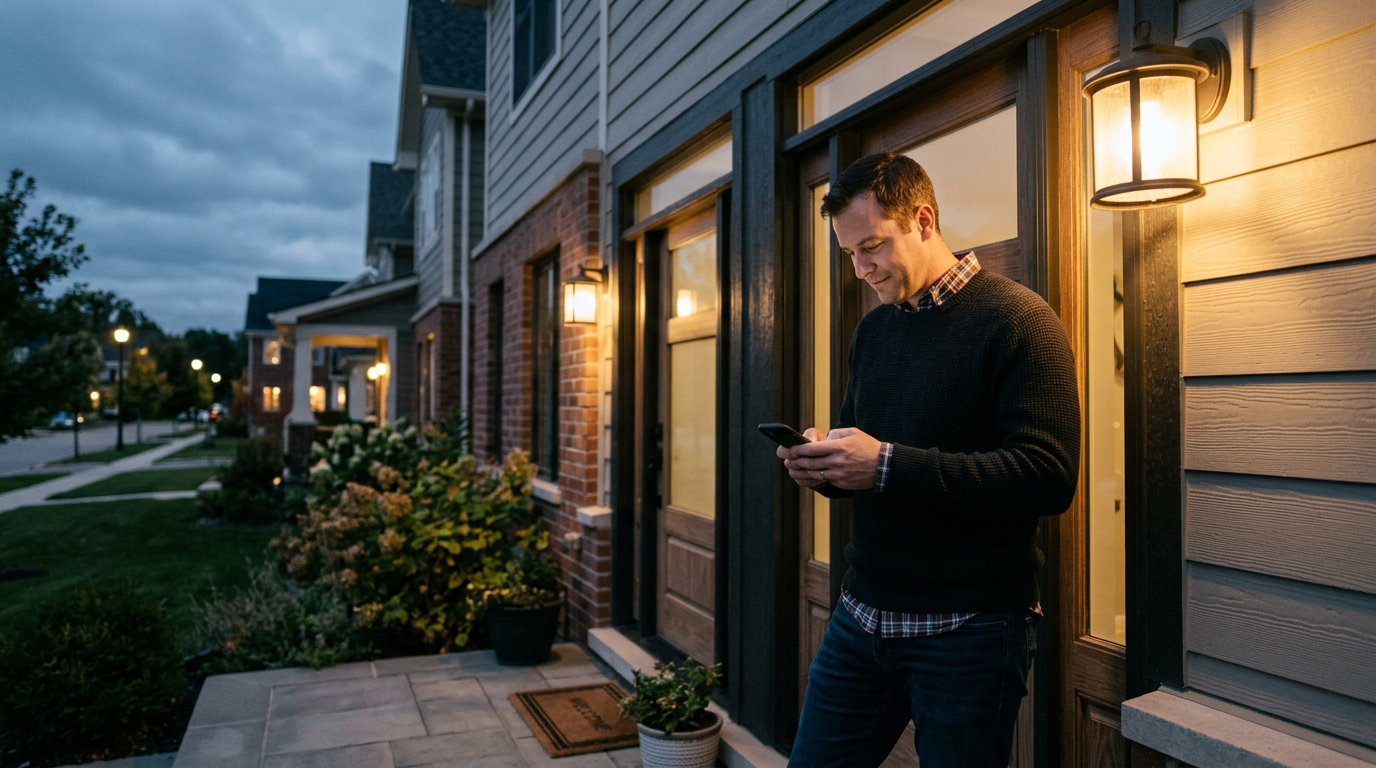
- Compare home security systems by detection quality, not just device count
- Check whether alerts, video storage, and remote access match your privacy preferences
- Use cameras with lights, locks, and motion sensors for layered protection
Consumer experts say today’s package thefts are changing how shoppers choose alarms, cameras, and doorbell devices.
More Homeowners Are Rethinking Security Cameras as Porch Theft Tactics Shift
→ Your Homes Connection — Contractor Marketplace — free, takes about 60 seconds.
Y. — August 24, 2026 — Homeowners looking to protect their front doors are paying closer attention to how modern theft works, not just what security devices look like on the shelf.
From package theft to opportunistic break-ins, consumer advisers say the latest home security decisions are being shaped by a simple question: will a system actually help before, during, and after an incident?
That shift is pushing more buyers to compare features that once seemed optional. Video quality, motion detection, night vision, two-way audio, local storage, cloud access, and professional monitoring are now being weighed alongside price and installation ease.
Experts say the best-fit system depends less on brand name and more on whether a device can reliably capture usable footage, alert homeowners in real time, and fit the layout of the property.
Security professionals also say many consumers are misunderstanding what cameras can and cannot do. A visible camera may discourage some activity, but it does not replace layered protection such as strong door locks, lighting, secure entry sensors, and a plan for neighborhood package delivery.
We go deeper on this in this rundown — worth a read before you decide anything.
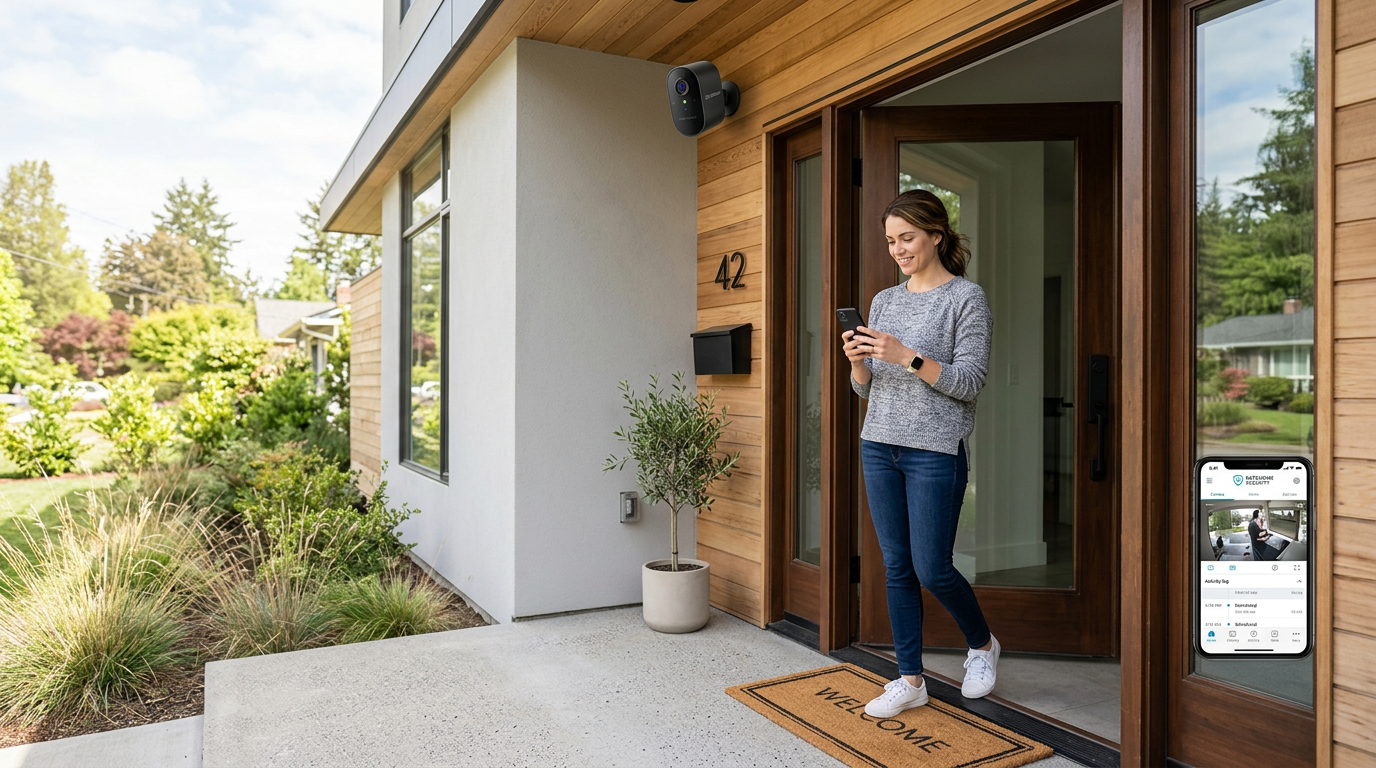
Smart doorbells can help identify visitors and record motion at the threshold, but they are most effective when paired with broader security coverage.
Industry analysts note that shoppers are also asking tougher privacy questions. Devices connected to mobile apps can offer convenience, but they also require careful review of data settings, shared access, and storage policies.
→ See what you could be approved for — free, takes about 60 seconds.
For families, that means choosing products with clear permissions controls and understanding who can view clips, receive alerts, or manage the system.
Industry Analyst said today’s home security buyer is more informed, but also more overwhelmed. “People are no longer shopping for a camera in isolation,” the analyst said.
Consumer advisers say the biggest mistake is waiting until after a theft or attempted entry to evaluate security. A seasonal checkup can help households spot weak points, test battery backups, confirm app notifications, and make sure exterior lights and cameras are functioning as expected.
Renters, too, should review what changes they can make without violating lease terms, since many portable devices now offer apartment-friendly options.
For shoppers comparing systems this year, the key is to think in terms of layers: entry deterrence, real-time alerts, evidence capture, and recovery. That approach can help households avoid buying features they will not use and focus on the protections most likely to matter.
Sources & further reading
This article is for general information only and is not professional financial, legal, or medical advice.
Tom Bishop — Home & Safety Editor
Tom covers home security, improvement, and energy topics, comparing options on cost, reliability, and real-world performance so homeowners can decide with confidence.
Updated August 2026

No comments:
Post a Comment