Showing posts with label home-security. Show all posts

Friday, August 28, 2026

Home Security Ads Surge as Consumers Seek Smarter Ways to Protect Homes

Home Security GuideCameras, monitoring and what actually deters break-ins
Free — takes 60 seconds
Your Homes Connection — Contractor Marketplace
Check availability in your area →
Home Security Ads Surge as Consumers Seek Smarter Ways to Protect Homes
What you need to know
  • Monitoring type: Decide whether self-monitoring or professional monitoring better fits the household
  • Device compatibility: Confirm whether cameras, sensors and smart locks work with existing phones, Wi-Fi routers and smart-home platforms
  • Privacy settings: Check permissions, cloud storage options and camera access controls before activating an app

NEW YORK, Aug. 9, 2026 —

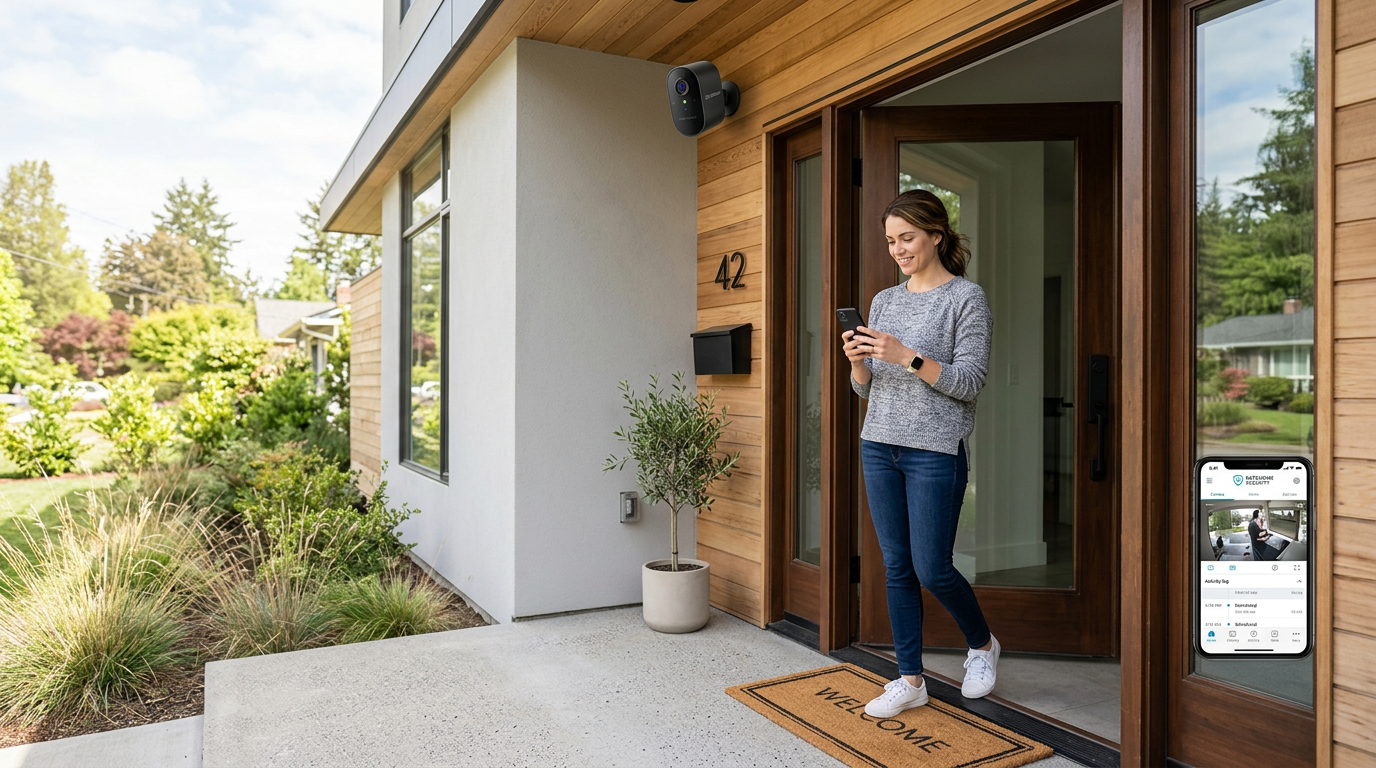
Consumer interest in home security systems is climbing as households look for simpler ways to monitor doors, windows and connected devices at a time when more security products are managed through mobile apps and cloud-based services.

→ Your Homes Connection — Contractor Marketplace — free, takes about 60 seconds.

Consumer finance and services comparison website CompareWise said the latest buying patterns show a growing focus on features such as professional monitoring, video doorbells, package alerts and privacy controls.

The shift comes as homeowners and renters weigh convenience against complexity. While modern systems can provide real-time alerts and remote access, they can also introduce new decisions about app permissions, data sharing, camera placement and contract terms.

Industry observers say the key trend is not just more adoption, but more careful comparison. Consumers are increasingly looking beyond the sticker price to understand installation costs, equipment compatibility, monitoring arrangements, cancellation policies and what happens if internet service is interrupted.

“Home security has become a consumer technology decision as much as a safety decision,” said Industry Analyst . “People want systems that are easy to use, but they also want clarity on privacy, ownership of equipment and how alerts are delivered.

CompareWise recommends that shoppers review several core factors before choosing a system:

See what you qualify for
Free to check and it will not affect anything on your end.
Your Homes Connection — Contractor Marketplace →

We go deeper on this in our home security guide — worth a read before you decide anything.

  • Monitoring type: Decide whether self-monitoring or professional monitoring better fits the household.
  • Device compatibility: Confirm whether cameras, sensors and smart locks work with existing phones, Wi-Fi routers and smart-home platforms.
  • Privacy settings: Check permissions, cloud storage options and camera access controls before activating an app.
  • Contract terms: Read renewal, cancellation and equipment ownership language carefully.

Seasonal factors are also shaping demand. With families traveling, students moving, and more packages left at front doors, many consumers are turning to entry sensors, outdoor cameras and doorbell video tools to keep an eye on deliveries and unexpected activity.

→ See what you could be approved for — free, takes about 60 seconds.

Security professionals say buyers should also test systems after installation and update default passwords, app permissions and notification settings regularly. For homes with multiple users, it is important to confirm who can arm or disarm the system and who receives alerts.

As home security offerings continue to expand, comparison tools can help consumers sort features from marketing claims and choose a system that matches their budget, property type and comfort level with connected technology.

About CompareWise

CompareWise is a consumer financial and services comparison website that helps households evaluate everyday products and services, including insurance, home services and security solutions. The site provides editorial guidance and comparison resources designed to help consumers make informed decisions.
Home Security Ads Surge as Consumers Seek Smarter Ways to Protect Homes
Free 5-page PDF · no charge

The Homeowner's 12-Month Insurance Checkup

A nine-line annual review that routinely finds several hundred dollars a year that homeowners never knew they were overpaying.

  • The nine lines on your policy that actually control your premium
  • Why your rate went up even though you never filed a claim
  • The coverage gap that shows up on most policies after a renovation

Download the free guide

Printable. Nothing to buy to read it.

Sources & further reading

This article is for general information only and is not professional financial, legal, or medical advice.

TB

Tom Bishop — Home & Safety Editor

Tom covers home security, improvement, and energy topics, comparing options on cost, reliability, and real-world performance so homeowners can decide with confidence.

Updated August 2026

More on this topic

Check your options free
Takes under a minute. No cost to look.
Your Homes Connection — Contractor Marketplace →

How to Choose a Home Security System Without Overspending

Home Security GuideCameras, monitoring and what actually deters break-ins
Free — takes 60 seconds
Your Homes Connection — Contractor Marketplace
Check availability in your area →
How to Choose a Home Security System Without Overspending
What you need to know
  • How many doors and accessible windows do you want to secure?
  • Do you need coverage for the front porch, driveway, or backyard?
  • Will anyone regularly be home during the day?

Shopping for a home security system can feel overwhelming because many providers sell similar-sounding packages with different equipment, monitoring plans, and contract terms.

The best choice is usually not the one with the most features; it is the one that fits your home layout, your habits, and how much involvement you want from a security provider.

→ Your Homes Connection — Contractor Marketplace — free, takes about 60 seconds.

If you are trying to compare systems for a house, apartment, or rental, it helps to focus on a few practical questions: What do you need to protect? Do you want professional monitoring or self-monitoring? Are you comfortable with a contract?

And which features will you actually use after the first month?

Start with your home, not the bundle

Before comparing brands, think about the spaces you want to cover. A one-bedroom apartment usually needs a different setup than a multi-entry house with a garage, basement, and backyard door.

The right system should match your entry points, your schedule, and whether you want indoor, outdoor, or video coverage.

Useful questions to ask yourself include:

See what you qualify for
Free to check and it will not affect anything on your end.
Your Homes Connection — Contractor Marketplace →

We go deeper on this in what to look at first — worth a read before you decide anything.

  • How many doors and accessible windows do you want to secure?
  • Do you need coverage for the front porch, driveway, or backyard?
  • Will anyone regularly be home during the day?
  • Do you want motion alerts, door alerts, or both?

If you rent, portability and easy installation may matter more than a large device package. If you own your home, you may care more about adding sensors over time and integrating cameras, locks, or lighting.

→ See what you could be approved for — free, takes about 60 seconds.

Choose between professional monitoring and self-monitoring

One of the biggest differences among home security systems is how alerts are handled. With professional monitoring , a monitoring center responds when an alarm is triggered.

With self-monitoring , you receive the alert and decide whether to check cameras, contact emergency services, or take another step.

Neither approach is automatically better. It depends on how you want the system to work in everyday life.

Professional monitoring may fit you if:

  • You travel often or are away from home for long stretches
  • You want someone else to handle alarm verification
  • You prefer a more traditional alarm setup
  • You are comfortable paying an ongoing monthly fee
How to Choose a Home Security System Without Overspending
Free 5-page PDF · no charge

The Homeowner's 12-Month Insurance Checkup

A nine-line annual review that routinely finds several hundred dollars a year that homeowners never knew they were overpaying.

  • The nine lines on your policy that actually control your premium
  • Why your rate went up even though you never filed a claim
  • The coverage gap that shows up on most policies after a renovation

Download the free guide

Printable. Nothing to buy to read it.

Sources & further reading

This article is for general information only and is not professional financial, legal, or medical advice.

TB

Tom Bishop — Home & Safety Editor

Tom covers home security, improvement, and energy topics, comparing options on cost, reliability, and real-world performance so homeowners can decide with confidence.

Updated August 2026

More on this topic

Check your options free
Takes under a minute. No cost to look.
Your Homes Connection — Contractor Marketplace →

How to Choose a Home Security System for Renters

Home Security GuideCameras, monitoring and what actually deters break-ins
Free — takes 60 seconds
Your Homes Connection — Contractor Marketplace
Check availability in your area →
How to Choose a Home Security System for Renters
What you need to know
  • Can I install devices without tools?
  • Will the system leave marks when I move out?
  • Do I need indoor cameras, outdoor cameras, or both?

If you rent, home security looks a little different than it does for a homeowner. You may not be able to drill into walls, change the locks, or run wires wherever you want.

That means the best system is usually the one that protects your space without creating problems with your lease, your deposit, or your move-out checklist.

→ Your Homes Connection — Contractor Marketplace — free, takes about 60 seconds.

The good news: there are plenty of renter-friendly security options now, from peel-and-stick sensors to app-based cameras and professional monitoring plans that don’t require long-term hardware commitments. The key is to focus on flexibility, installation, and what you actually need to protect.

Start with your lease and your living space

Before comparing equipment, review your lease and think through the layout of your apartment, condo, or rental house. Some landlords are fine with small changes; others are strict about drilling, adhesive marks, or exterior cameras.

Knowing the rules up front can save you time and avoid conflict later.

Walk through your place with a practical eye. Which doors and windows are easiest to access from outside? Is your front door in a shared hallway or directly off the street? Do you have a balcony, basement entrance, or first-floor windows that need attention?

See what you qualify for
Free to check and it will not affect anything on your end.
Your Homes Connection — Contractor Marketplace →

We go deeper on this in the full breakdown here — worth a read before you decide anything.

The answers help you decide whether you need a few entry sensors, a camera, or a more complete system.

Questions worth asking yourself

→ See what you could be approved for — free, takes about 60 seconds.

  • Can I install devices without tools?
  • Will the system leave marks when I move out?
  • Do I need indoor cameras, outdoor cameras, or both?
  • Is Wi-Fi reliable enough where I live?

Choose equipment that installs cleanly and comes with you

For renters, the best security products are usually wireless and easy to remove. Look for equipment that uses batteries, adhesive mounting, or simple tabletop placement. These features make setup easier and reduce the chance of damage.

Pay attention to what comes with the system. Some kits include door and window sensors, a base station, a keypad, and a camera; others are designed as camera-first setups.

A smaller kit may be enough if you mainly want to know when someone opens a door or window. A larger package may make sense if you want live video, motion alerts, and a siren in one place.

How to Choose a Home Security System for Renters
Free 5-page PDF · no charge

The Homeowner's 12-Month Insurance Checkup

A nine-line annual review that routinely finds several hundred dollars a year that homeowners never knew they were overpaying.

  • The nine lines on your policy that actually control your premium
  • Why your rate went up even though you never filed a claim
  • The coverage gap that shows up on most policies after a renovation

Download the free guide

Printable. Nothing to buy to read it.

Sources & further reading

This article is for general information only and is not professional financial, legal, or medical advice.

TB

Tom Bishop — Home & Safety Editor

Tom covers home security, improvement, and energy topics, comparing options on cost, reliability, and real-world performance so homeowners can decide with confidence.

Updated August 2026

More on this topic

Check your options free
Takes under a minute. No cost to look.
Your Homes Connection — Contractor Marketplace →

How to Choose a Home Security System for Renters

Home Security GuideCameras, monitoring and what actually deters break-ins
Free — takes 60 seconds
Your Homes Connection — Contractor Marketplace
Check availability in your area →
How to Choose a Home Security System for Renters
What you need to know
  • The front door or main entry
  • Sliding doors, patios, or balcony access
  • Windows on the ground floor

If you rent, home security can feel a little different than it does for homeowners. You may not be able to drill into walls, run new wiring, or make permanent changes to the property.

The good news is that many modern systems are designed with renters in mind. The key is choosing gear that fits your lease, your layout, and your move schedule.

→ Your Homes Connection — Contractor Marketplace — free, takes about 60 seconds.

This guide walks through the features that matter most when you want better protection without creating extra headaches when it is time to move.

Start with your lease and the space you actually control

Before comparing brands or bundles, check what your lease allows. Some landlords are fine with adhesive mounts and door sensors, while others want approval for cameras in common areas or any device that alters the property.

If you live in an apartment building, you may also have restrictions on where cameras can point.

It helps to think in terms of your space rather than the whole building. For many renters, the most useful security points are:

  • The front door or main entry
  • Sliding doors, patios, or balcony access
  • Windows on the ground floor
  • Interior rooms that hold valuables

That shortlist keeps you focused on the most realistic risks instead of overbuying equipment you may not need.

See what you qualify for
Free to check and it will not affect anything on your end.
Your Homes Connection — Contractor Marketplace →

We go deeper on this in the details that matter — worth a read before you decide anything.

Look for no-drill installation and easy removal

For renters, installation is often the deciding factor. A system may have excellent sensors or a polished app, but if it requires hardwiring or permanent mounting, it may not be practical. Look for products that use adhesive backing, removable brackets, battery power, or plug-in hubs.

→ See what you could be approved for — free, takes about 60 seconds.

Useful renter-friendly features include:

  • Wireless sensors that stick to doors and windows
  • Battery-powered cameras you can place without outlets nearby
  • Plug-and-play base stations that do not require electrical work
  • Removable mounts that come down cleanly when you move

If a system advertises “easy installation,” read the details carefully. In practice, that can mean anything from simple setup to a full kit that still benefits from drilling.

For renters, the best choice is usually the one you can install and remove with minimal repair risk.

Choose equipment you can take with you

One of the biggest advantages of buying a renter-friendly system is portability. If you move every year or two, a system that travels well can be more useful than one that is deeply tied to a single home.

How to Choose a Home Security System for Renters
Free 5-page PDF · no charge

The Homeowner's 12-Month Insurance Checkup

A nine-line annual review that routinely finds several hundred dollars a year that homeowners never knew they were overpaying.

  • The nine lines on your policy that actually control your premium
  • Why your rate went up even though you never filed a claim
  • The coverage gap that shows up on most policies after a renovation

Download the free guide

Printable. Nothing to buy to read it.

Sources & further reading

This article is for general information only and is not professional financial, legal, or medical advice.

TB

Tom Bishop — Home & Safety Editor

Tom covers home security, improvement, and energy topics, comparing options on cost, reliability, and real-world performance so homeowners can decide with confidence.

Updated August 2026

More on this topic

Check your options free
Takes under a minute. No cost to look.
Your Homes Connection — Contractor Marketplace →

How to Choose a Home Security System for an Apartment

Home Security GuideCameras, monitoring and what actually deters break-ins
Free — takes 60 seconds
Your Homes Connection — Contractor Marketplace
Check availability in your area →
How to Choose a Home Security System for an Apartment
What you need to know
  • Can I drill holes, or do I need removable mounting options?
  • Do I want coverage for the front door only, or also windows and a balcony?
  • Is there reliable Wi-Fi in every room where I might place sensors or cameras?

Apartment security is a little different from protecting a house. You may need a system that installs without drilling, comes down cleanly when you move, and works within a rental agreement.

The best choice usually balances convenience, privacy, and the level of protection you actually need.

→ Your Homes Connection — Contractor Marketplace — free, takes about 60 seconds.

Start with your building rules and layout

Before comparing products, check what your lease or building rules allow. Some landlords prohibit permanent mounting, certain exterior cameras, or smart devices that interfere with shared spaces.

If you live in a multifamily building, it is also worth thinking about how your door, windows, and entry areas are arranged.

Ask yourself a few practical questions:

  • Can I drill holes, or do I need removable mounting options?
  • Do I want coverage for the front door only, or also windows and a balcony?
  • Is there reliable Wi-Fi in every room where I might place sensors or cameras?
  • Will I take the system with me if I move?

These answers can narrow the field quickly. An apartment setup does not need to be oversized; it just needs to fit the space and your rental terms.

See what you qualify for
Free to check and it will not affect anything on your end.
Your Homes Connection — Contractor Marketplace →

We go deeper on this in how home security actually works — worth a read before you decide anything.

Look for systems that are easy to install and remove

For renters, the most practical systems are usually wireless and low-commitment. That often means entry sensors, a keypad, a hub, and maybe a video doorbell or one indoor camera.

→ See what you could be approved for — free, takes about 60 seconds.

Many systems use adhesive strips or simple stands instead of screws, which can make setup faster and easier to reverse later.

When comparing products, pay attention to how they mount and how much setup they require. A system that seems inexpensive can become frustrating if it needs a lot of drilling, special tools, or a complicated app process.

Features that tend to matter for renters

  • Wireless sensors for doors and windows
  • Battery backup for power interruptions
  • Portable equipment you can relocate
  • App-based alerts so you can check activity remotely

If you are likely to move in the next year or two, portability may matter as much as the monthly feature set. A system that can come with you is often easier to justify than one that is tailored too closely to a single apartment.

How to Choose a Home Security System for an Apartment
Free 5-page PDF · no charge

The Homeowner's 12-Month Insurance Checkup

A nine-line annual review that routinely finds several hundred dollars a year that homeowners never knew they were overpaying.

  • The nine lines on your policy that actually control your premium
  • Why your rate went up even though you never filed a claim
  • The coverage gap that shows up on most policies after a renovation

Download the free guide

Printable. Nothing to buy to read it.

Sources & further reading

This article is for general information only and is not professional financial, legal, or medical advice.

TB

Tom Bishop — Home & Safety Editor

Tom covers home security, improvement, and energy topics, comparing options on cost, reliability, and real-world performance so homeowners can decide with confidence.

Updated August 2026

More on this topic

Check your options free
Takes under a minute. No cost to look.
Your Homes Connection — Contractor Marketplace →

3 Home Security Mistakes That Make Break-Ins Easier

Home Security GuideCameras, monitoring and what actually deters break-ins
Free — takes 60 seconds
Your Homes Connection — Contractor Marketplace
Check availability in your area →
3 Home Security Mistakes That Make Break-Ins Easier
What you need to know
  • Think your home is secure because you have a lock on the door?
  • [Quick cuts: front door, backyard gate, window left cracked open] Small oversights—not expensive gadgets—are what often make homes easier to target
  • [Close-up of worn deadbolt, loose door frame, sliding door] A sturdy deadbolt helps, but so do reinforced strike plates and solid door frames

HOOK

Think your home is secure because you have a lock on the door? [Quick cuts: front door, backyard gate, window left cracked open] Small oversights—not expensive gadgets—are what often make homes easier to target.

→ Your Homes Connection — Contractor Marketplace — free, takes about 60 seconds.

KEY POINT 1

See what you qualify for
Free to check and it will not affect anything on your end.
Your Homes Connection — Contractor Marketplace →

We go deeper on this in this rundown — worth a read before you decide anything.

First: weak entry points. [Close-up of worn deadbolt, loose door frame, sliding door] A sturdy deadbolt helps, but so do reinforced strike plates and solid door frames. If your front or back door wiggles, that’s a problem worth fixing.

KEY POINT 2

→ See what you could be approved for — free, takes about 60 seconds.

Second: easy-to-spot routines. [Person leaving lights off, stacking packages by the door, posting vacation photos] Don’t advertise that no one’s home. Use timers for lights, bring in packages quickly, and wait to post travel photos until you’re back.

3 Home Security Mistakes That Make Break-Ins Easier
Free 5-page PDF · no charge

The Homeowner's 12-Month Insurance Checkup

A nine-line annual review that routinely finds several hundred dollars a year that homeowners never knew they were overpaying.

  • The nine lines on your policy that actually control your premium
  • Why your rate went up even though you never filed a claim
  • The coverage gap that shows up on most policies after a renovation

Download the free guide

Printable. Nothing to buy to read it.

Sources & further reading

This article is for general information only and is not professional financial, legal, or medical advice.

TB

Tom Bishop — Home & Safety Editor

Tom covers home security, improvement, and energy topics, comparing options on cost, reliability, and real-world performance so homeowners can decide with confidence.

Updated August 2026

More on this topic

Check your options free
Takes under a minute. No cost to look.
Your Homes Connection — Contractor Marketplace →

How to Choose the Right Home Security System for Your Home

Home Security GuideCameras, monitoring and what actually deters break-ins
Free — takes 60 seconds
Your Homes Connection — Contractor Marketplace
Check availability in your area →
How to Choose the Right Home Security System for Your Home
What you need to know
  • Entry sensors: Useful on doors and windows, especially ground-level access points
  • Motion sensors: Helpful for larger rooms, hallways, or areas with limited entry points
  • Indoor cameras: Can help you check on pets, packages, or activity inside the home

Choosing a home security system is less about finding the “best” brand and more about matching the system to your home, your routine, and how much oversight you want.

A renter in a small apartment may need something very different from a family in a two-story house or a homeowner who travels often.

→ Your Homes Connection — Contractor Marketplace — free, takes about 60 seconds.

The right setup should be easy to live with, simple to use, and strong enough for the risks you actually want to cover.

Before comparing brands, it helps to think in practical terms: what do you want protected, who should be able to use the system, and how involved do you want the monitoring to be? Those answers will narrow your options fast.

Start with the type of monitoring

One of the first choices is whether you want professional monitoring , self-monitoring , or a combination of both. This affects both cost and how alerts are handled.

See what you qualify for
Free to check and it will not affect anything on your end.
Your Homes Connection — Contractor Marketplace →

We go deeper on this in our home security guide — worth a read before you decide anything.

Professional monitoring

With professional monitoring, a monitoring center receives alerts from your system and can contact you or emergency services depending on the event and the plan.

→ See what you could be approved for — free, takes about 60 seconds.

This option is often preferred by people who travel, have children at home, or want another layer of backup if they miss a phone notification.

Self-monitoring

Self-monitored systems send alerts directly to your phone or device. You decide what to do next. This can work well if you are usually available and comfortable taking responsibility for response, but it depends on you seeing and acting on alerts quickly.

How to Choose the Right Home Security System for Your Home
Free 5-page PDF · no charge

The Homeowner's 12-Month Insurance Checkup

A nine-line annual review that routinely finds several hundred dollars a year that homeowners never knew they were overpaying.

  • The nine lines on your policy that actually control your premium
  • Why your rate went up even though you never filed a claim
  • The coverage gap that shows up on most policies after a renovation

Download the free guide

Printable. Nothing to buy to read it.

Sources & further reading

This article is for general information only and is not professional financial, legal, or medical advice.

TB

Tom Bishop — Home & Safety Editor

Tom covers home security, improvement, and energy topics, comparing options on cost, reliability, and real-world performance so homeowners can decide with confidence.

Updated August 2026

More on this topic

Check your options free
Takes under a minute. No cost to look.
Your Homes Connection — Contractor Marketplace →