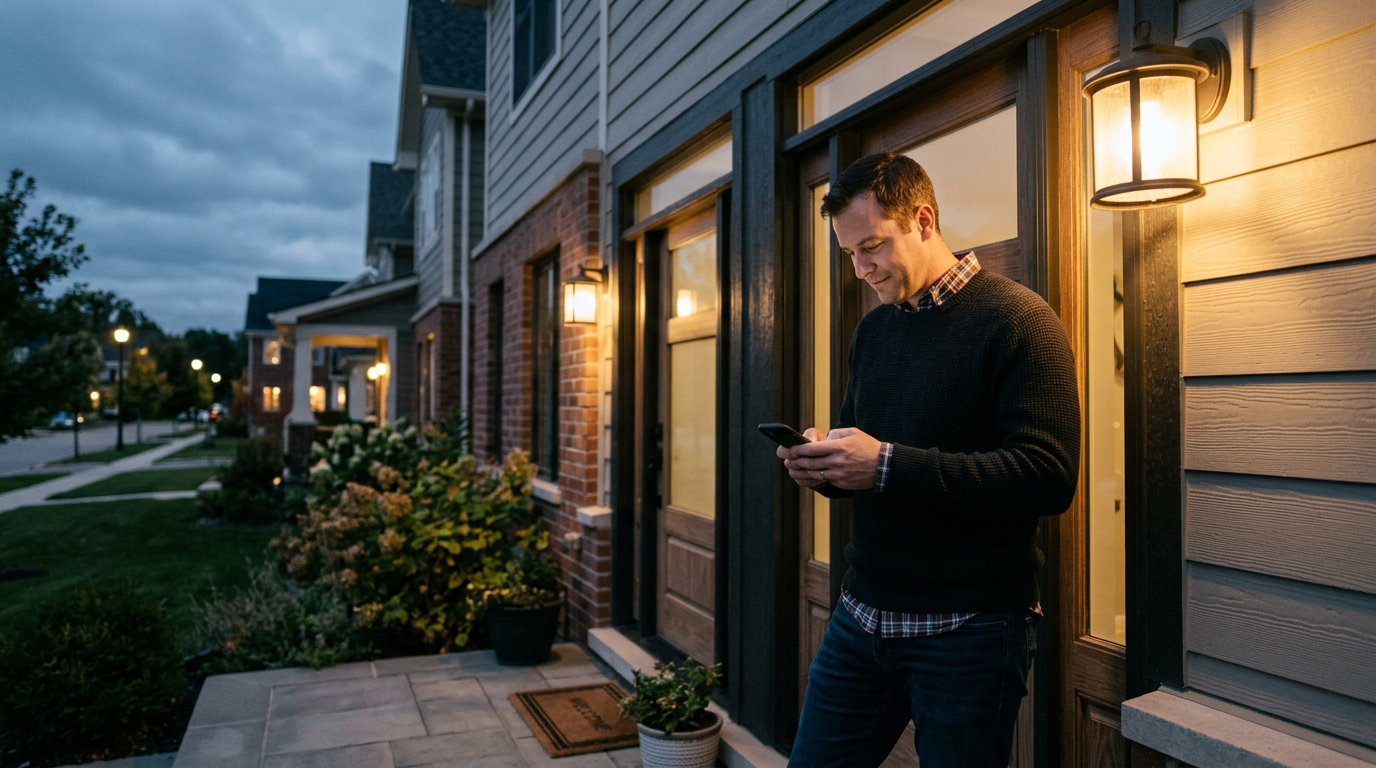
- The front door or main entry
- Sliding doors, patios, or balcony access
- Windows on the ground floor
If you rent, home security can feel a little different than it does for homeowners. You may not be able to drill into walls, run new wiring, or make permanent changes to the property.
The good news is that many modern systems are designed with renters in mind. The key is choosing gear that fits your lease, your layout, and your move schedule.
→ Your Homes Connection — Contractor Marketplace — free, takes about 60 seconds.
This guide walks through the features that matter most when you want better protection without creating extra headaches when it is time to move.
Start with your lease and the space you actually control
Before comparing brands or bundles, check what your lease allows. Some landlords are fine with adhesive mounts and door sensors, while others want approval for cameras in common areas or any device that alters the property.
If you live in an apartment building, you may also have restrictions on where cameras can point.
It helps to think in terms of your space rather than the whole building. For many renters, the most useful security points are:
- The front door or main entry
- Sliding doors, patios, or balcony access
- Windows on the ground floor
- Interior rooms that hold valuables
That shortlist keeps you focused on the most realistic risks instead of overbuying equipment you may not need.
We go deeper on this in the details that matter — worth a read before you decide anything.
Look for no-drill installation and easy removal
For renters, installation is often the deciding factor. A system may have excellent sensors or a polished app, but if it requires hardwiring or permanent mounting, it may not be practical. Look for products that use adhesive backing, removable brackets, battery power, or plug-in hubs.
→ See what you could be approved for — free, takes about 60 seconds.
Useful renter-friendly features include:
- Wireless sensors that stick to doors and windows
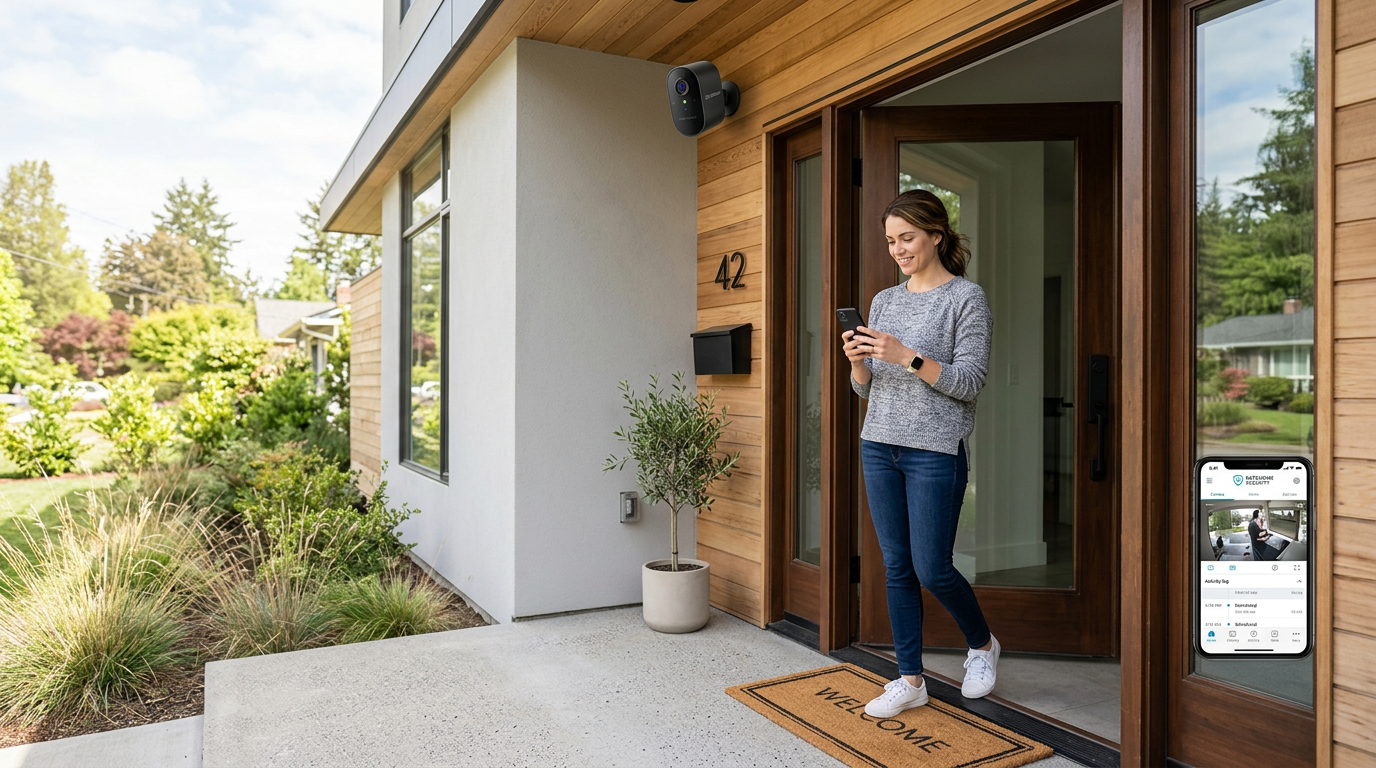
- Battery-powered cameras you can place without outlets nearby
- Plug-and-play base stations that do not require electrical work
- Removable mounts that come down cleanly when you move
If a system advertises “easy installation,” read the details carefully. In practice, that can mean anything from simple setup to a full kit that still benefits from drilling.
For renters, the best choice is usually the one you can install and remove with minimal repair risk.
Choose equipment you can take with you
One of the biggest advantages of buying a renter-friendly system is portability. If you move every year or two, a system that travels well can be more useful than one that is deeply tied to a single home.
Sources & further reading
This article is for general information only and is not professional financial, legal, or medical advice.
Tom Bishop — Home & Safety Editor
Tom covers home security, improvement, and energy topics, comparing options on cost, reliability, and real-world performance so homeowners can decide with confidence.
Updated August 2026

No comments:
Post a Comment