- Can I use adhesive-mounted sensors or cameras?
- Are wireless devices allowed?
- Can I place a camera facing a window or entryway?
If you rent, choosing a home security system is a little different than it is for a homeowner. You may need something that installs without drilling, moves with you at lease-end, and still fits the rules of your building.
The good news is that today’s security options are more flexible than they used to be, so renters can usually find a setup that balances convenience, privacy, and protection.
→ Your Homes Connection — Contractor Marketplace — free, takes about 60 seconds.
This guide walks through what to look for, what to avoid, and how to compare systems before you commit.
Start with your lease and building rules
Before you shop, check what your lease says about modifications. Some landlords allow small changes, while others restrict mounting hardware, exterior cameras, or doorbell wiring.
If you live in an apartment or condo, the building may also have rules about common areas, hallways, or shared entrances.
It helps to know the difference between your unit and shared property . In many cases, you can secure your own front door and windows, but not record hallways or neighboring doors without permission.
We go deeper on this in this rundown — worth a read before you decide anything.
If you are unsure, ask your landlord or property manager for written approval.
Good questions to ask first
→ See what you could be approved for — free, takes about 60 seconds.
- Can I use adhesive-mounted sensors or cameras?
- Are wireless devices allowed?
- Can I place a camera facing a window or entryway?
- Are smart locks permitted, and who keeps control of access?
Choose equipment that is easy to install and remove
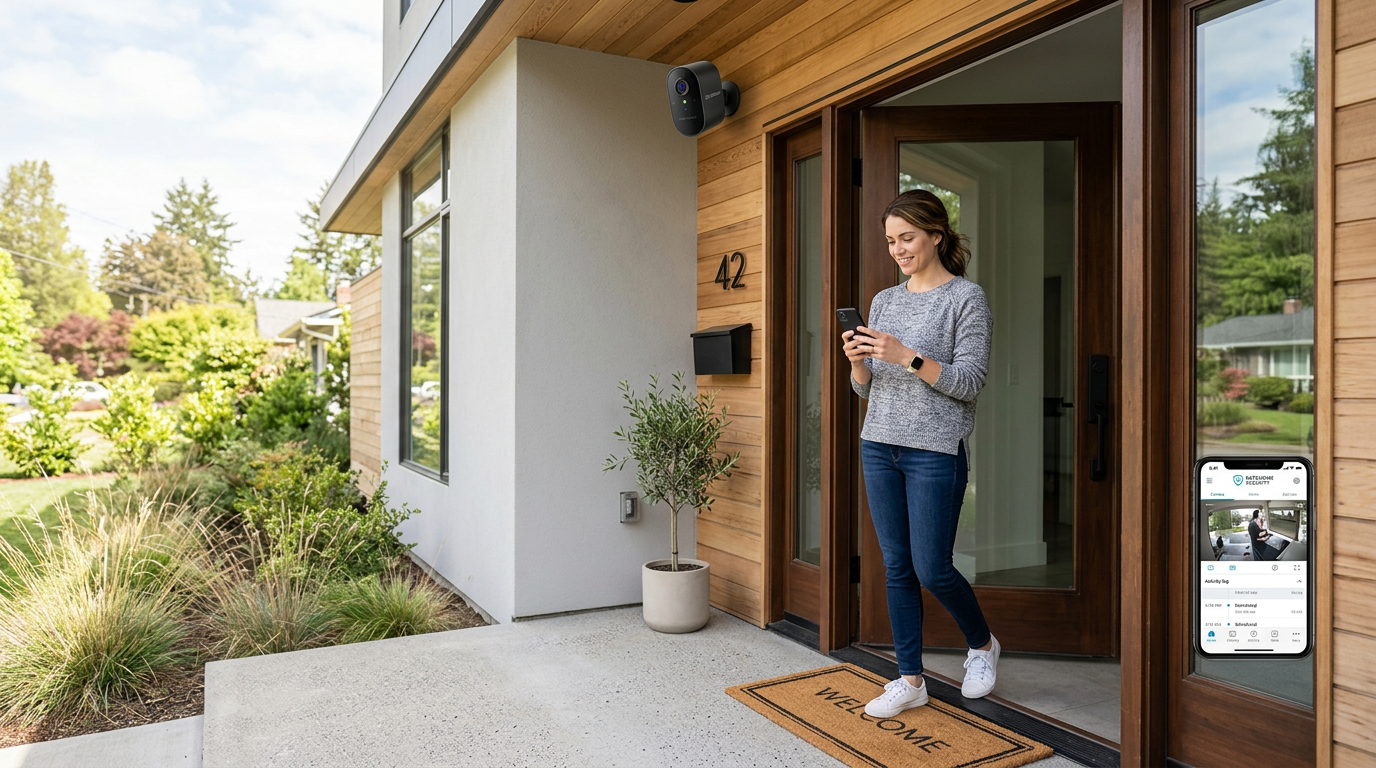
For renters, the best systems are usually wireless and modular. That means you can start with a basic setup and add pieces later. Look for sensors that attach with adhesive, cameras that plug into standard outlets, and a control hub that does not require hardwiring.
It is also worth thinking about the move-out process. A system that leaves holes in walls or depends on permanent wiring may create extra work later. Portable equipment can be a better fit if you expect to relocate in the next few years.
Sources & further reading
This article is for general information only and is not professional financial, legal, or medical advice.
Tom Bishop — Home & Safety Editor
Tom covers home security, improvement, and energy topics, comparing options on cost, reliability, and real-world performance so homeowners can decide with confidence.
Updated August 2026

No comments:
Post a Comment